Project Goal
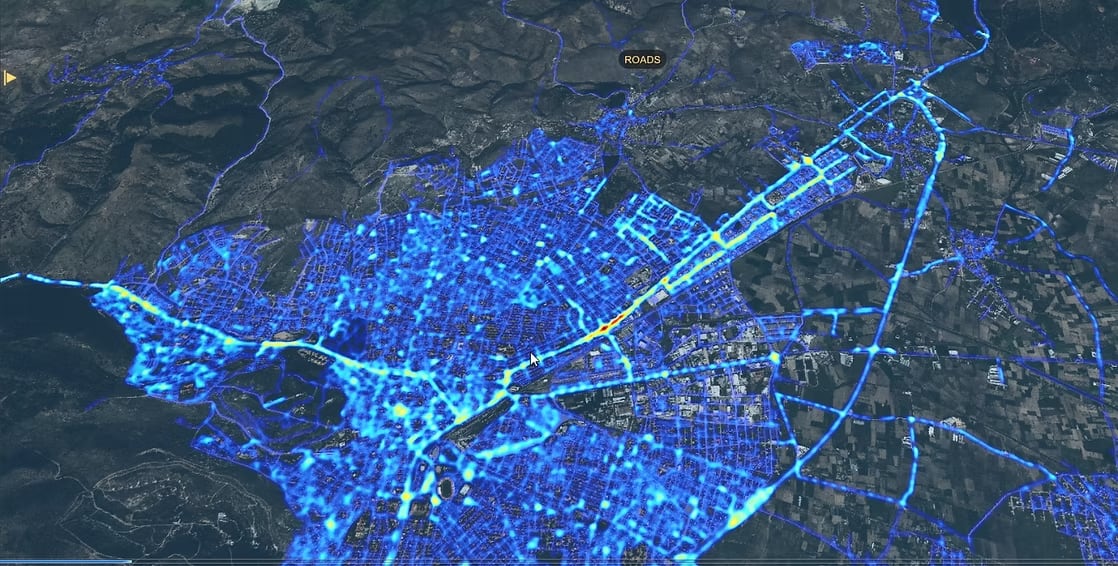
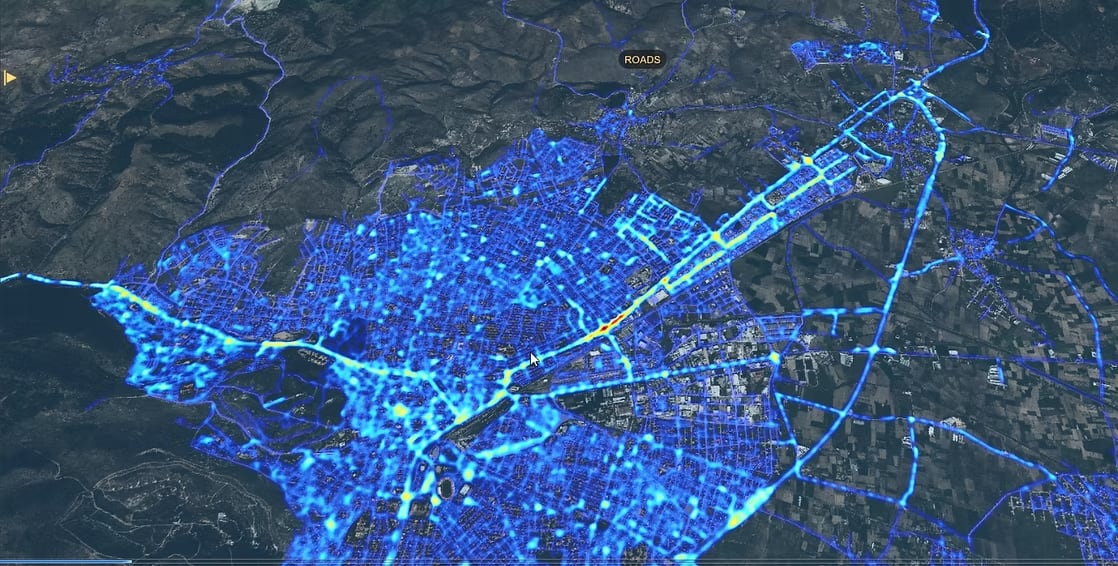
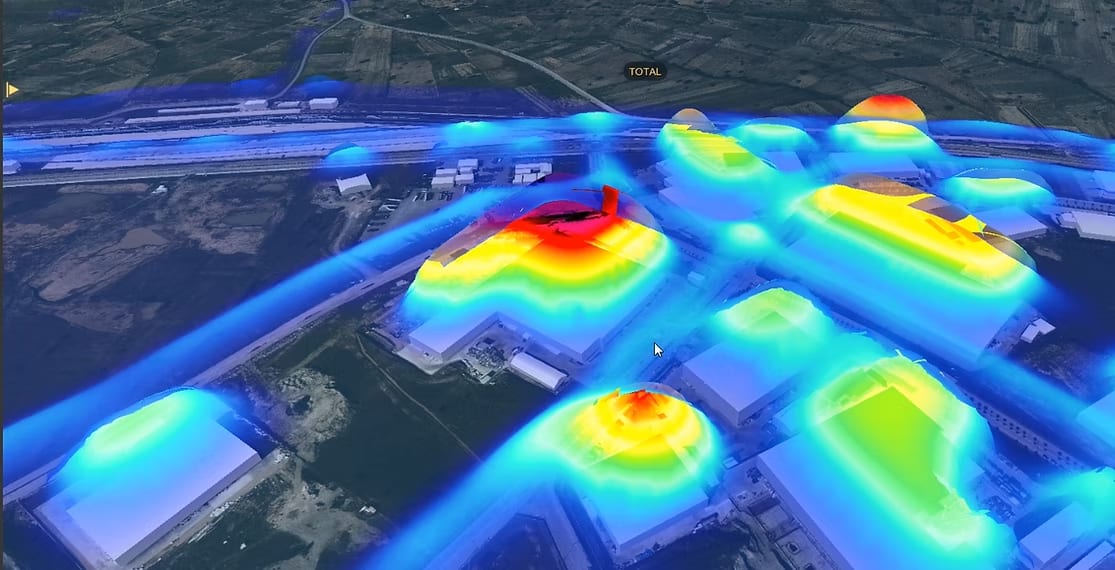
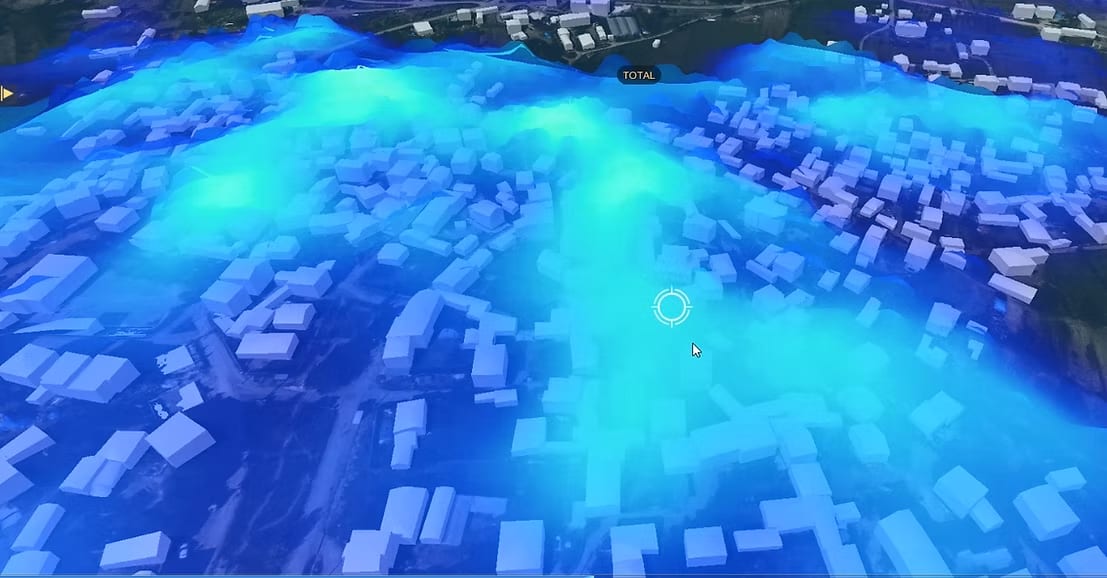
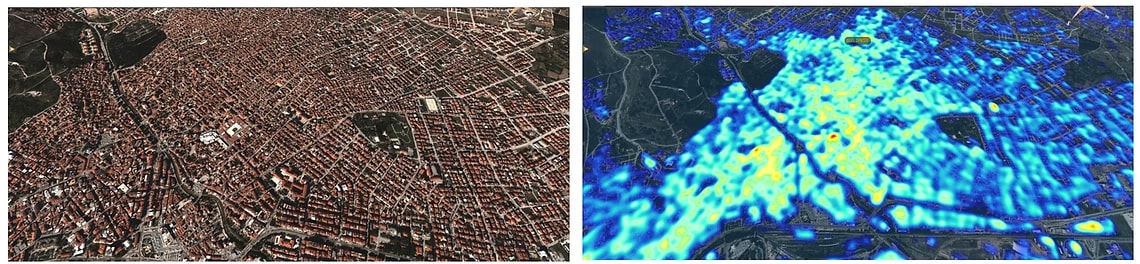
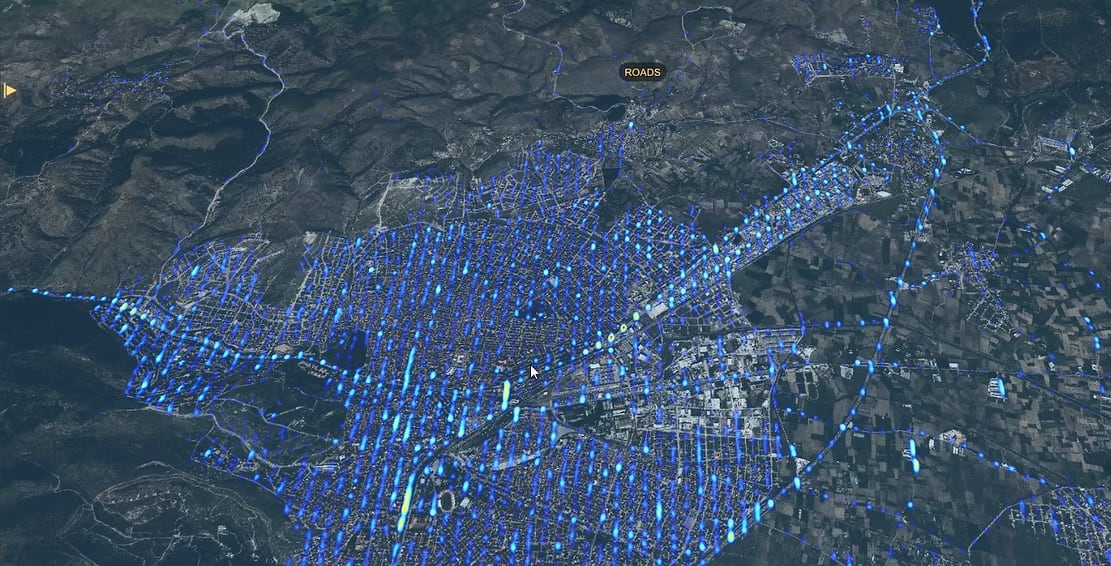
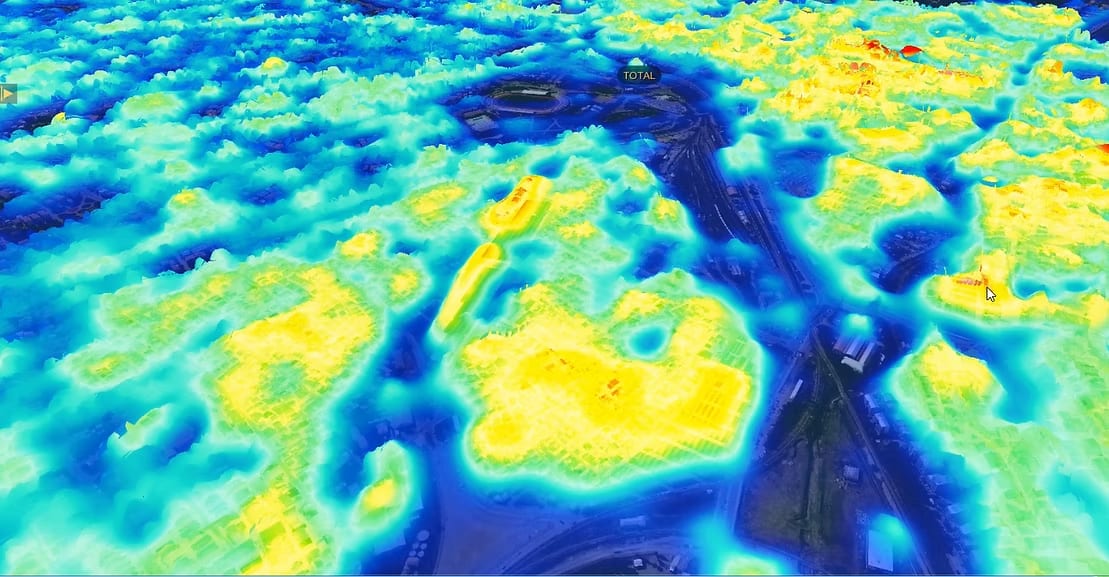
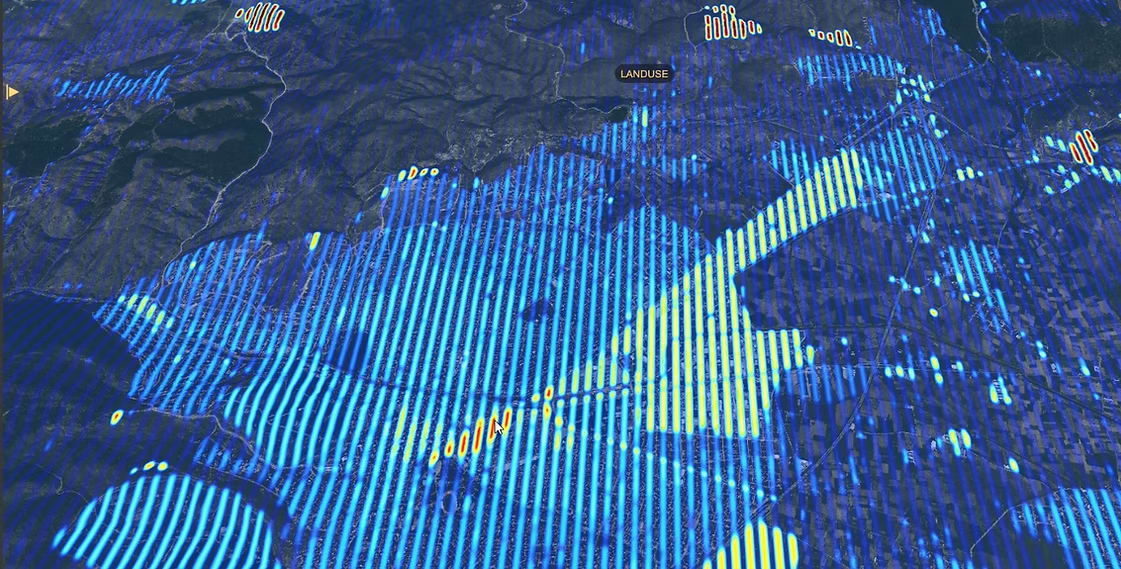
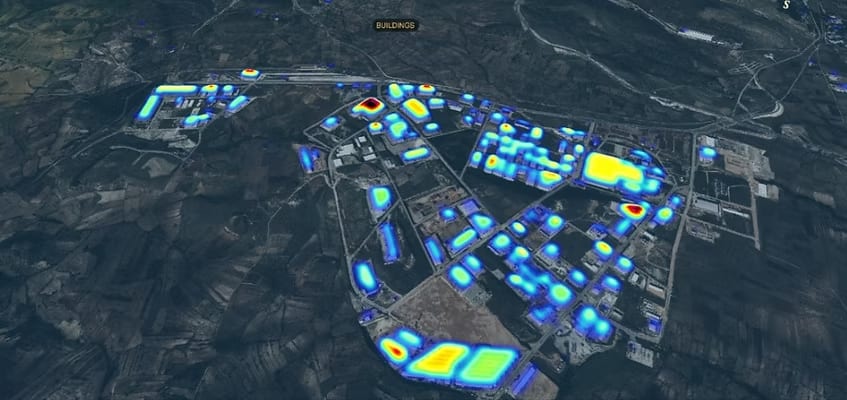
This project enables the 3D desktop GIS software and modeling module to visualize air pollution distribution using multiple techniques — drawing on meso-scale strategic air quality maps, 3D city models, road networks, urban topography and traffic density. Ultimately, the required algorithm was developed to transition from meso (2 km) to micro scale (5 m) using 3D city models.
Through the workflow defined in this project, data resolution is increased 160,000× — making the effect of air pollution on cities far easier to perceive and taking a significant step forward in air quality management.
Project Regions
BalıkesirCenter (Altıeylül, Karesi), Ayvalık, Balya, Bandırma, Bigadiç, Burhaniye, Dursunbey, Edremit, Erdek, Gömeç, Gönen, Havran, İvrindi, Kepsut, Manyas, Marmara, Savaştepe, Sındırgı, Susurluk
EdirneEnez, Havsa, İpsala, Keşan, Lalapaşa, Meriç, Center, Suloğlu, Uzunköprü
KocaeliBaşiskele, Çayırova, Darıca, Derince, Dilovası, Gebze, Gölcük, İzmit, Kandıra, Karamürsel, Kartepe, Körfez
SakaryaAdapazarı, Akyazı, Arifiye, Erenler, Ferizli, Geyve, Hendek, Karapürçek, Karasu, Kaynarca, Kocaeli, Pamukova, Sapanca, Serdivan, Söğütlü, Taraklı
TekirdağCenter (Süleymanpaşa, Ergene), Çerkezköy/Kapaklı, Çorlu, Hayrabolu, Malkara, Marmaraereğlisi, Muratlı, Saray, Şarköy
Scope of Work
- 01A five-user 3D desktop GIS application was developed along with an Air Quality Modeling Module for determining air quality values in a 3D environment.
- 02Using meso-scale (2×2 or 4×4 km resolution) air pollution data produced by the General Directorate of Environmental Management (ÇYGM), pollutants in the study area were modeled and visualized individually, in groups and all together.
- 03Independent analyses were run per cell using the meso-scale data, then improved and corrected by factoring propagation from neighboring cells.
- 04Meteorological data, traffic data and physical details of the city's 3D model were used as inputs to the model.
- 05Wind direction and intensity, building wind faces, rooftop winds, and global, regional and local wind motions were incorporated, enabling construction of wind corridors — a critical parameter for air pollution.
- 06Time-dependent variation of air pollution was demonstrated using traffic density data for the area.
- 07Street canyon geometry around tall structures, buildings' 3D geometry, aspect ratios, volumes, uses, and regional tree and open green space data were incorporated, producing high-accuracy analyses and models.
Stakeholders
1Ministry of Environment and Urbanization — General Directorate of Environmental Management
2Türksat A.Ş. — Geographic Information Technologies Directorate
3Verigo Digital Engineering Inc.